At a Glance
- Know what “sharps” includes: Understand what belongs in a sharps container (and what doesn’t).
- Use a safer at-home routine: A simple handling process that protects you and the people who handle waste.
- Choose an approved container that fits your life: Travel, countertop, and larger home options—plus mail-back kits.
- Dispose of expired or compromised sharps safely: What to do with expired supplies, damaged packaging, or lost sterility.
- Confirm local rules before you drive anywhere: How to check La Junta-area drop-off guidance and avoid wasted trips.
- Decide between drop-off vs mail-back: When local options are easiest and when shipping is worth the convenience.
What this post covers (and why it matters)
If you’re searching sharps disposal La Junta CO, you’re probably trying to do the right thing without guessing your way into a safety problem. Disposal rules can feel inconsistent because different programs have different container requirements, hours, and restrictions, and not every county has the same “easy” drop-off options.
This guide focuses on safe handling first, then shows you exactly where to look for local sharps disposal options around La Junta, including the official tools that help you confirm drop-off possibilities before you drive anywhere.
What counts as “sharps” (and what doesn’t)
“Sharps” are items that can puncture skin, which is why they’re treated differently than regular household trash. In most homes, sharps include needles and syringes, blood sampling lancets, and many supplies used for home injections. The reason this matters is simple: loose sharps can injure sanitation workers, recycling facility staff, or even a family member taking out the trash.
If you’re unsure about an item, treat it like a sharp until you confirm otherwise. It’s always safer to contain it in a puncture-resistant container than to risk it going loose in a bag or bin.
A safe at-home routine you can actually stick with
Most disposal problems start with one habit: setting a used needle “somewhere safe” and planning to deal with it later. The FDA’s guidance is straightforward—put sharps into a sharps disposal container right after use so you aren’t handling them multiple times later (FDA sharps disposal guidance).
These steps are short on purpose, because consistency is what prevents accidental needle sticks at home. Follow this routine first, then decide your disposal route.
- Put the sharp into your container immediately after use, rather than leaving it on a counter, sink edge, or bedside table.
- Keep the container upright and out of reach of children and pets, in a spot where it won’t tip over.
- Don’t overfill it; plan to close it around the fill line or roughly three-quarters full so it seals properly and stays safe to handle.
- Once it’s sealed, don’t reopen it. Treat it as “ready for disposal” and move to drop-off or mail-back planning.
If you can’t access a kiosk or drop-off program, CDPHE explains a safe household disposal method so sharps are not placed loose in the trash or recycling. Start with the official FAQ guidance here: CDPHE: What if I can’t access a sharps collection kiosk?
Choosing an approved sharps container that won’t cause disposal headaches later
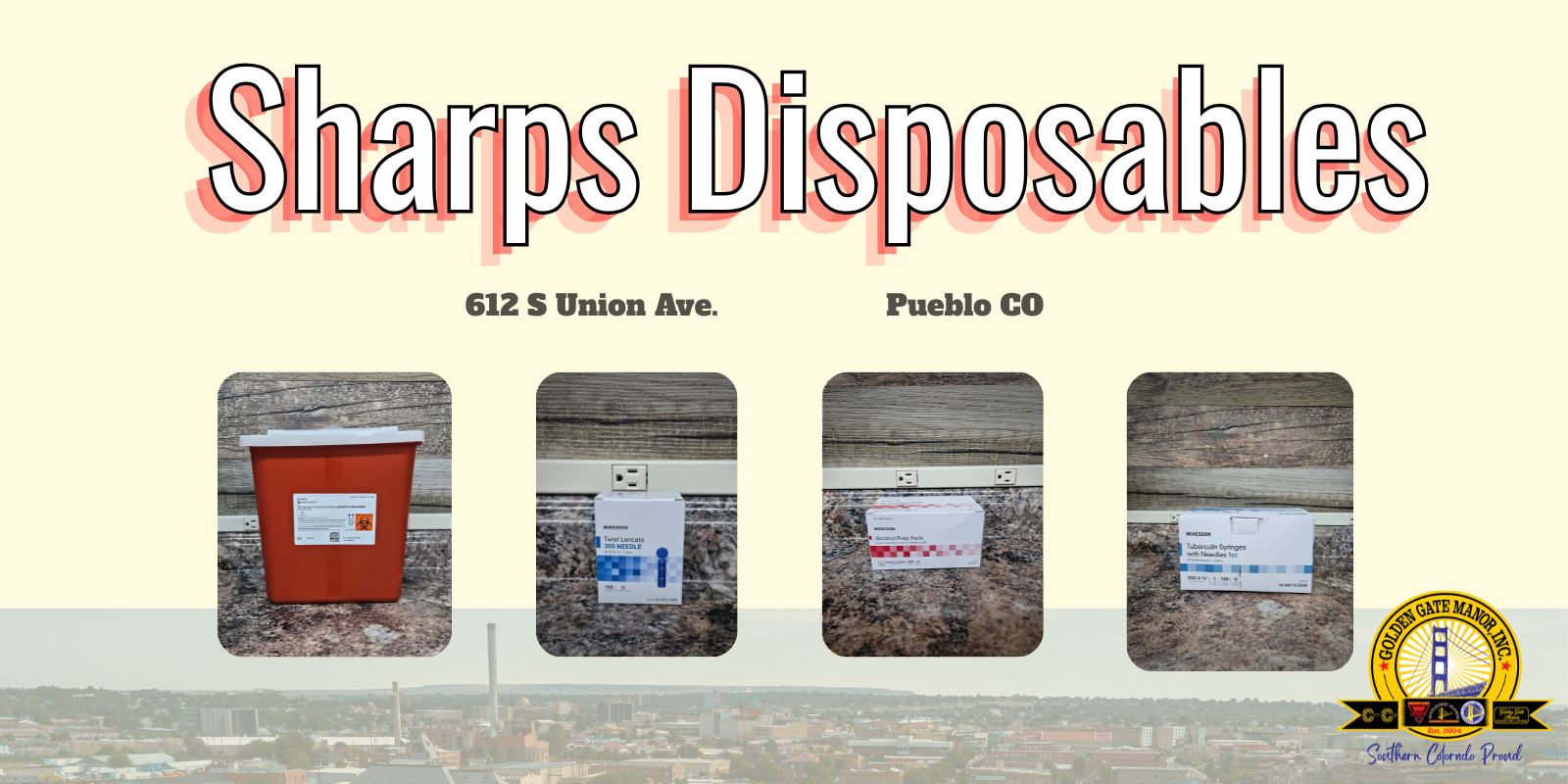
The container you choose matters because many drop-off programs and kiosks expect a true sharps container that’s puncture-resistant and closes securely. That doesn’t just protect you at home — it protects anyone who may handle the container later, and it reduces the chances of being turned away for using the wrong type of container.
If you’re deciding what to buy, try to match the container to your routine instead of defaulting to “the biggest one.” A countertop/home container is usually the best fit for most households because it’s easy to use consistently and simple to store upright in a safe place. If injections happen away from home, a travel container helps prevent loose sharps ending up in bags, pockets, or improvised containers. If more than one person in the home uses sharps, a larger container can make sense, but it’s worth checking local acceptance rules first so you don’t end up with a full container and nowhere easy to take it.
If you’re unsure what your area accepts, start by checking the official program resources and then confirm with a quick call before you commit to a very large container: CDPHE household medication & sharps takeback and CDPHE local sharps collection programs.
Disposing of expired or compromised sharps at home
Expired sharps can mean more than one situation, and the safest path depends on what happened. If you have unopened supplies past their expiration date, the key is not to “save them for later and forget them.” Keep them contained and dispose of them through the same sharps pathway you use for other sharps, rather than letting them drift into drawers where they’re more likely to be mishandled.
Damaged packaging is a different issue because sterility can’t be trusted if the wrapper is torn, wet, punctured, or otherwise compromised. In that case, the safest move is to treat the item as not safe for use, keep it contained, and dispose of it as sharps. If used sharps have been sitting around, avoid sorting loose needles by hand; move them carefully into your container without forcing anything, and use official guidance if you’re dealing with a spill or loose-sharps situation.
La Junta disposal: the best “start here” links for finding drop-off possibilities
This is the part that saves people the most time. Instead of guessing which pharmacy or clinic might accept sharps, start with the official program pages that are designed to answer this exact question.
Begin with CDPHE’s statewide program overview, which links directly to the sharps kiosk locator and explains how the program works: CDPHE: Household medication and sharps takeback. From that page, use the official sharps kiosk map: Find a CDPHE sharps disposal kiosk (map). Even if the closest kiosk isn’t in La Junta, the map helps you quickly see what’s realistic “nearby.”
If you’re looking for county-run options, CDPHE also maintains a page listing the household hazardous waste programs in Colorado that accept sharps and notes that services are typically restricted to residents of the sponsoring county: CDPHE: Local sharps collection programs. This is especially helpful when you’re deciding whether it makes sense to travel or choose mail-back instead.
As a secondary check (helpful for cross-referencing what you find), SafeNeedleDisposal.org also provides Colorado-specific guidance and a “see disposal locations” tool: SafeNeedleDisposal.org: Colorado. It’s still smart to call ahead, but it’s a useful way to spot possibilities you may not have considered.
What to ask before you go (so you don’t waste a trip)
Even when you find a location on a map, acceptance rules can change and some programs have restrictions. A quick call prevents the most common “turned away at the counter” scenarios, especially around residency rules, container size limits, fees, and whether you use a kiosk or a staffed drop-off.
Ask:
- “Do you accept household sharps containers from La Junta residents, or do you have county-only restrictions?”
- “Do you charge a fee or require an appointment?”
- “Do you have container size/type requirements, and do you require the container to be sealed before arrival?”
- “Where do I go when I arrive—kiosk, front desk, or a specific department?”
Drop-off vs mail-back: how to choose without overthinking it
The first time is usually the hardest because you’re learning disposal rules while also building a new medical routine. If you have a reliable local route, drop-off is usually the lowest-cost choice and can be easy to pair with errands or appointments. If local options are unclear, far, or hard to access consistently, mail-back kits can give you a predictable system that doesn’t depend on finding a kiosk near La Junta.
If you want an “easy mode” approach, many people start with mail-back for predictability and switch to local drop-off later once they’ve confirmed what their closest accepted option is and what container size that program prefers.
Need help choosing the right sharps container or mail-back option?
We carry approved sharps containers and mail-back options through our Medical Supplies Online store. If you want help picking a container size that matches your household routine—or you’re trying to decide between local drop-off and mail-back—contact us and we’ll help you choose a practical path.
Browse our Sharps Disposal collection, reach us through our Contact Form, or call (719) 569-7361.
Closing: the safest plan that works for most households
If you want a simple rule to follow, focus on two things: keep sharps contained immediately after use, and use a container that seals reliably. From there, use the official links to confirm what’s actually available near La Junta, and call ahead when you’re unsure about restrictions or container requirements.
The goal isn’t to memorize every disposal rule. The goal is to prevent loose sharps, avoid overfilled containers, and follow a disposal method you can repeat consistently without last-minute scrambling.
References
- CDPHE: Household medication and sharps takeback
- CDPHE: Sharps kiosk map (Find a CDPHE sharps disposal kiosk)
- CDPHE: FAQ (What if I can’t access a sharps collection kiosk?)
- CDPHE: Local sharps collection programs
- FDA: Best way to get rid of used needles and other sharps
- SafeNeedleDisposal.org: Colorado
- Golden Gate Medical Supply: Sharps Disposal collection
- Golden Gate Medical Supply: Contact Us