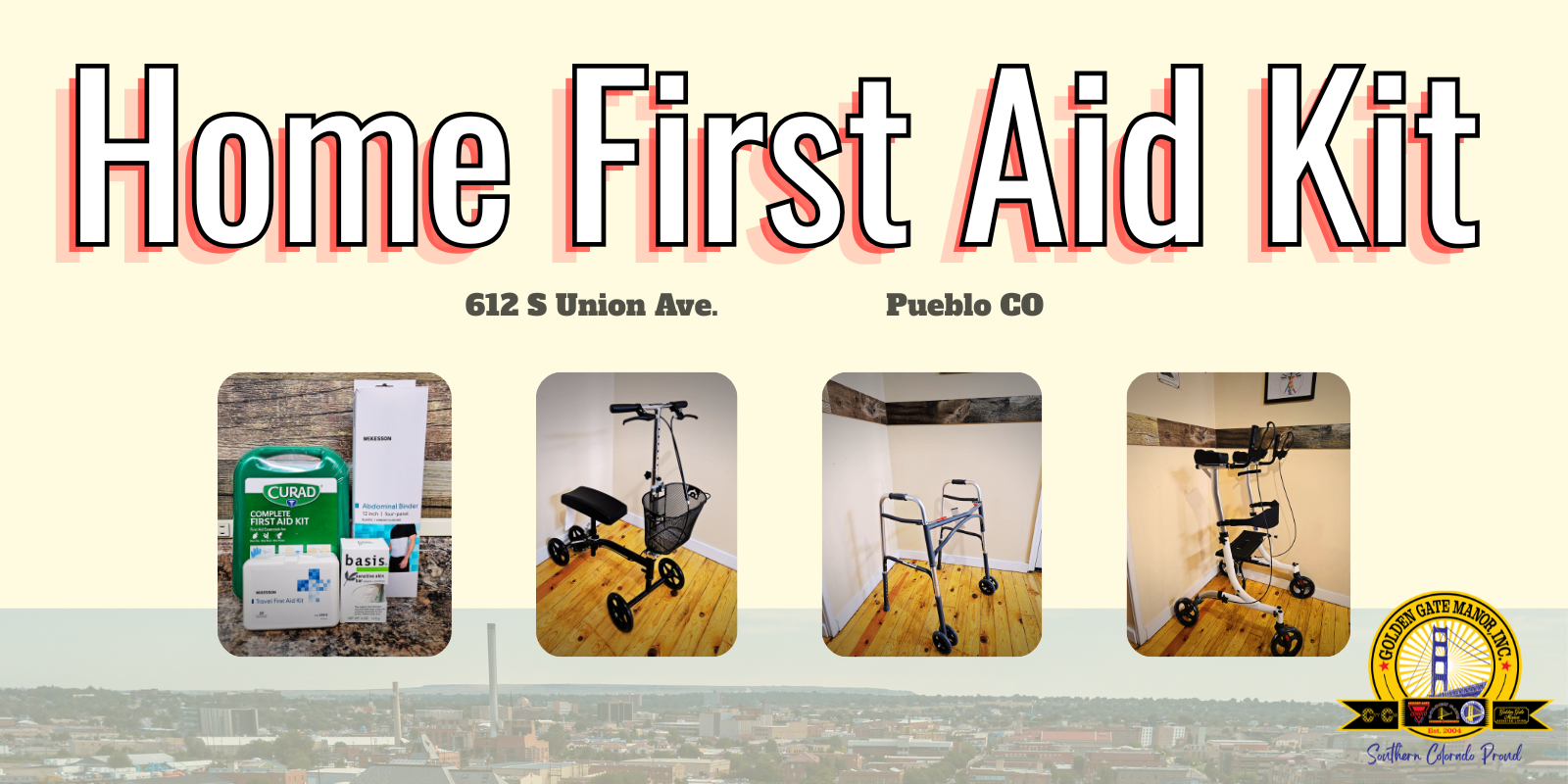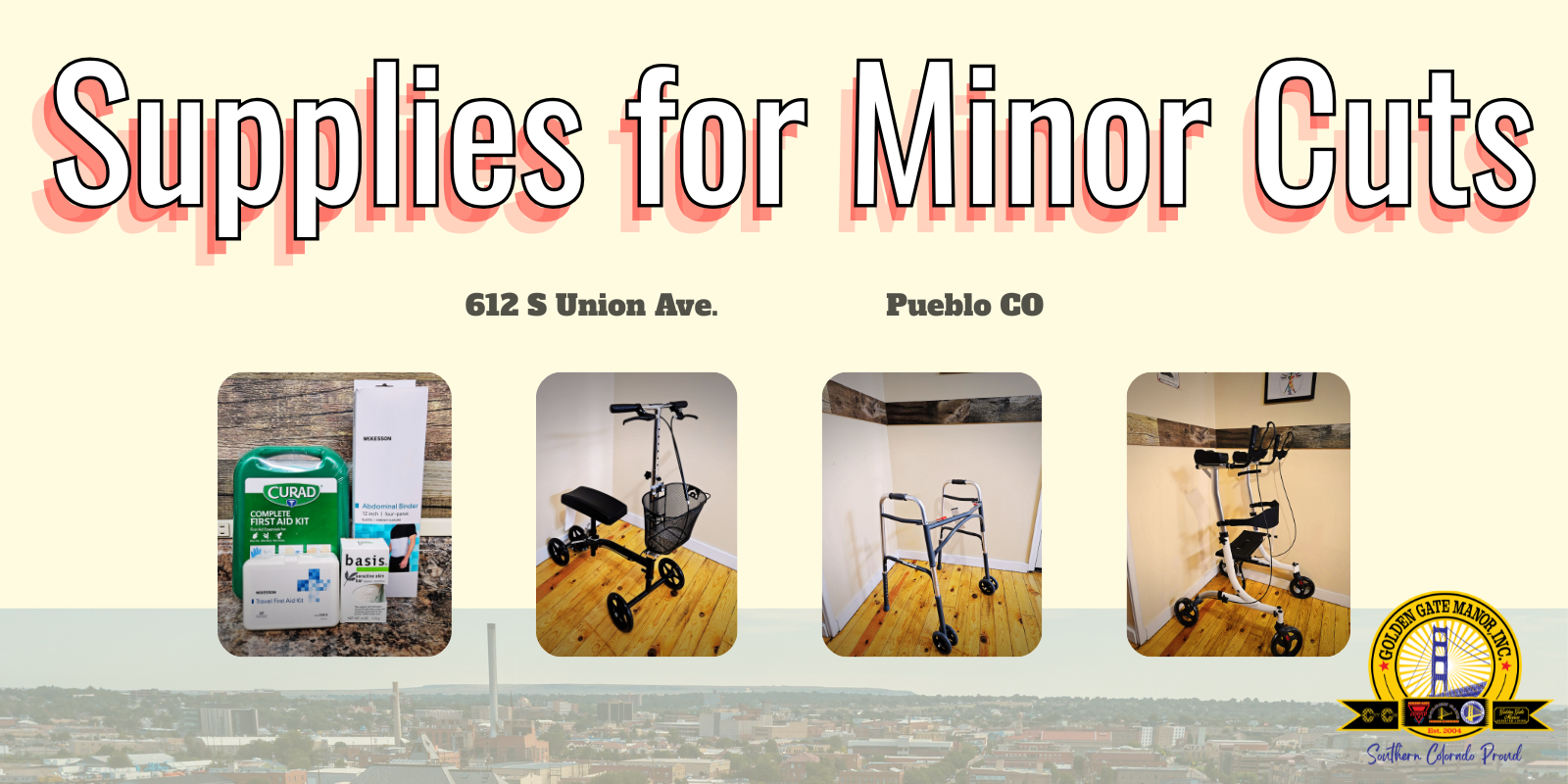
Minor cuts are part of life—kitchen mishaps, small scrapes on a job site, or a nick while hiking and exploring around Canon City. The good news: most minor cuts heal well with the right supplies and a simple routine.
This post is a quick buyer guide to help you choose the right wound care supplies (bandages, antiseptics, gauze) and understand when “basic first aid” is enough versus when you should involve a medical provider.
At a Glance
- What to keep on hand: A practical starter list of bandages, gauze, antiseptics, and “extras” that make wound care easier.
- How to treat minor cuts: A simple step-by-step routine for cleaning, protecting, and changing dressings.
- Choosing the right product: When to use adhesive bandages vs non-stick pads, gauze wraps, or hydrocolloid coverings.
- When it’s not “minor” anymore: Clear signs you should call a provider (infection signs, deep cuts, punctures, stitches, tetanus boosters).
- Insurance-based wound care support: When a doctor’s order can help with wounds that aren’t healing and how we can help you navigate coverage.
- How we serve Canon City: Shipping options, insurance delivery for qualifying wound care orders, and pickup if you’re in Pueblo.
What counts as a “minor cut” (and what doesn’t)
A “minor cut” is usually small, shallow, and easy to clean at home—meaning you can rinse it well, protect it with a basic dressing, and it starts improving over the next few days.
A cut is usually minor when ALL of these are true:
- Bleeding stops with steady direct pressure.
- The cut is shallow (a surface cut or small scrape—not deep or gaping).
- The edges are not pulled open and the skin can rest together naturally.
- You can rinse it clean with running water, and there’s no debris stuck inside.
- It’s not a puncture wound (like a nail, thorn, or sharp object).
- It’s not from a human/animal bite.
- You still have normal movement and feeling around the area (no numbness or loss of function).
A cut is not minor (get medical advice/urgent care) if ANY of these apply:
- Bleeding won’t stop after steady direct pressure.
- The cut is deep, wide, or gaping, or you think it may need stitches.
- You can see deeper tissue (fat/muscle), or the wound is large/deep even without heavy bleeding.
- It’s on the face (especially if deep or edges won’t stay together), or in a high-risk area where function matters (hands/fingers).
- There’s dirt/debris you can’t rinse out, or something is embedded (don’t pull embedded objects out).
- It’s a puncture wound (step-on-a-nail type injuries count here).
- It’s from a bite (higher infection risk).
- You notice infection signs: increasing redness, warmth, swelling, worsening pain, pus/drainage, red streaking, fever, or it’s getting worse instead of better.
- You have health factors where wounds can become serious faster (for example diabetes, poor circulation, immune suppression)—when in doubt, ask your provider sooner.
If bleeding is severe, won’t stop, or someone is seriously injured, call 911 or seek urgent/emergency care. This guide is for everyday, minor injuries—not serious trauma.
Quick buyer guide: the best wound care supplies for minor cuts
Minor cuts happen constantly—opening boxes, working with tools, kitchen prep, kids running around, or getting a scrape out on the trails. The goal is always the same:
Stop the bleeding → rinse it clean → protect it → keep it clean while it heals.
Instead of thinking “I need a huge first aid kit,” think in levels: what you can do right now with what you have, what you should keep at home, and when it’s time to step up to a provider.
Level 1: “Make-do” basics (if you don’t have supplies)
If you’re at home or on the go and you don’t have a kit, you can still handle many minor cuts safely:
- To stop bleeding: Use a clean cloth (or clean shirt/towel) and apply steady direct pressure. Try not to “peek” constantly—hold pressure and give it time to work.
- To clean: Once bleeding is controlled, rinse with clean running water.
- To cover: A clean cloth secured in place is better than leaving a wound exposed if it’ll get dirty.
When “make-do” isn’t enough: If you can’t keep the wound clean/covered, it’s on a high-movement area (hands/fingers), or you’re bleeding through cloth and it won’t slow down, that’s your sign to get proper supplies—or get medical help depending on severity.
Level 2: The basics to keep at home (the “stress-free” setup)
These are the items that make everyday cuts easier, cleaner, and less frustrating.
Clean + protect (so you’re not guessing)
- Mild soap + clean running water (still the MVP)
- Sterile saline / wound wash (great when you want a thorough rinse)
- Antiseptic wipes (useful for cleaning the skin around the wound)
Cover (choose the right kind of bandage for the job)
- Adhesive bandages (multiple sizes for small cuts)
- Fabric/flexible bandages (better for knuckles, fingers, joints)
- Waterproof bandages (handwashing, showers, messy jobs)
Support dressings (for bigger scrapes or sticky wounds)
- Non-stick pads (huge upgrade for scrapes that stick to normal bandages)
- Gauze pads (for larger coverage)
- Rolled gauze / conforming gauze (wraps that stay put)
- Medical tape (to secure dressings without constant slipping)
Helpful extras (the little stuff that saves the day)
- Disposable gloves
- Tweezers (for easy-to-remove surface debris—don’t dig)
- Small scissors
When should you go to the store for supplies?
A quick rule: If you can’t keep it clean + covered with what you have, get supplies the same day.
Common “go to the store” moments:
- You’re using the last bandage and still need to change it again
- You don’t have non-stick pads and the wound keeps sticking/tearing when you remove the cover
- Tape/bandages won’t stay on (hands, joints, sweating, work gloves)
- The cut is in a spot that will get dirty (work, outdoors, cooking) and you need a clean dressing plan
Level 3: Work + outdoors add-ons (Canon City practical)
If you’re using tools, doing hands-on work, or spending time outdoors, you want a few “stay-put” items:
- Wound-closure strips (for small edge pulls—not deep wounds)
- Elastic wrap (helps keep dressings secure on moving areas)
- Hydrocolloid bandages (great for friction blisters and certain shallow scrapes)
- Finger cots (help keep fingertip cuts cleaner while working)
These aren’t “fancy”—they’re problem-solvers. They reduce the chances you’ll keep re-opening a wound just because the dressing won’t stay on.
“This looks terrifying” cuts: head/scalp bleeders (how to tell if it’s likely minor)
Cuts on the scalp and face can bleed a lot and look dramatic even when they’re small. What matters most is whether the bleeding responds to pressure and whether there are any head-injury danger signs.
A head cut may be “just a bleeder” when:
- The bleeding slows and stops with steady direct pressure
- The cut looks small once you’ve cleaned the area
- The person is acting normal and has no concerning symptoms
Get urgent/emergency evaluation if:
- Bleeding is severe or won’t stop with pressure (a common threshold cited is bleeding that can’t be stopped after about 10 minutes of direct pressure)
- The cut is deep/gaping, you suspect serious head trauma, or you see signs that concern you
- After a bump/blow to the head, there are concussion “danger signs” like worsening headache, repeated vomiting, confusion, seizures, unusual behavior, or inability to wake/stay awake
For severe bleeding, serious injury, or head-injury danger signs, call 911 or seek emergency care. This guide is for everyday minor cuts—not major trauma.
Level 4: When it’s more complicated than a bandage
If a wound is slow to heal, heavily draining, or keeps reopening, it may need a provider-guided plan. That can include a wound care order/prescription that helps match the right supplies to the wound and (in some cases) may support insurance coverage.
If someone has a provider order for wound care supplies, we can help coordinate the correct items and guide the next steps for coverage research. If it’s easier, your doctor’s office can fax wound care orders and supporting documentation directly to us at our fax number: (719) 696-8548. Once we receive it, we’ll follow up with you and the provider’s office to confirm the order details and make sure the supplies align with the documented medical need.
How to treat a minor cut (simple step-by-step)
Use this routine for most small cuts and scrapes:
- Wash your hands
- Stop the bleeding with gentle direct pressure
- Rinse with clean running water (soap can be used around the wound)
- Remove visible debris only if it’s easy and safe (don’t dig into the wound)
- Apply a thin layer of ointment or petroleum jelly if appropriate
- Cover with a clean bandage or non-stick pad + gauze/tape
- Change daily (or sooner if wet/dirty) and keep an eye out for infection signs
Choosing the right bandage or dressing (fast decisions — the way we talk through it at our counter)
When people call us for “something for a cut,” what they usually mean is:
“I need this to stop bleeding, stay on, and not turn into a bigger problem.”
So we keep it simple: match the dressing to (1) the size, (2) the location, and (3) what your day looks like (work gloves, handwashing, hiking, etc.).
What we see most often (and the quick fix)
- “It keeps reopening.” Usually the dressing isn’t secure enough for a moving area (hands, knuckles, ankles).
→ Use a non-stick pad and wrap it (gauze + tape) so the wound isn’t taking the stress. - “It hurts when I change it.” That’s often the dressing sticking to the wound.
→ Switch to a non-stick pad so you’re not re-tearing healing tissue. - “Bandages won’t stay on at work.” Sweat + movement + gloves = bandage failure.
→ Wrap coverage (gauze + tape or conforming gauze) usually wins.
The “grab this if…” guide
Adhesive bandage
Grab this when:
- The cut is small and clean
- It’s in a spot that doesn’t flex constantly
- You just need simple coverage for the day
Real-life example: a small kitchen cut, paper cut, or a shallow nick that isn’t draining much.
Non-stick pad + gauze + tape
Grab this when:
- It’s a scrape (surface area) or a wider cut
- The wound sticks to regular bandages
- You want protection without pain when you change it
This is the “upgrade” we recommend the most because it’s flexible and comfortable for many everyday wounds.
Rolled gauze / conforming gauze wrap
Grab this when:
- It’s on a joint (wrist, ankle, knee) or a hand/finger
- You need it to stay put through movement
- You’re heading back to work or outdoors and can’t babysit a slipping bandage
Hydrocolloid bandage
Grab this when:
- You’re dealing with a blister (especially friction blisters)
- You want a protective “cushion” over a shallow area
Skip it when:
- The wound is very wet/draining or looks infected
- You need frequent dressing changes
If you’re not sure what to choose, the fastest way to get it right is to tell us: where the cut is, how big it is, whether it’s draining, and what you need to do today (work, hiking, handwashing, etc.). We can help you choose the simplest option that will actually stay on.
We’re a medical supply company—so we can help you understand supply options and provide the products you need, but we can’t give medical advice or diagnose wounds. If you’re unsure whether the wound can be safely managed at home, it’s always a good idea to check in with a medical provider.
Antiseptics: what to use (and what to avoid — keep it simple)
This is one of the most common “overthinking” moments we see. People want the strongest antiseptic—but for minor cuts, the best starting point is usually clean running water and gentle cleaning around the wound. According to Mayo Clinic’s first-aid guidance for cuts, rinse the wound with water and wash around it with soap (keeping soap out of the wound), and avoid hydrogen peroxide or iodine because they can irritate wounds (Mayo Clinic).
A practical routine we recommend:
- Rinse well under running water
- Wash around the area with mild soap
- If you’re using ointment, use a thin layer (more isn’t better) (MedlinePlus)
If something burns, stings aggressively, or makes the skin angry and dry, that’s usually a sign you’re doing too much. Clean + cover + change it regularly is the winning formula for most everyday cuts.
When you should call a provider (or go to urgent care vs the ER)
We don’t want people to panic—but we also don’t want you “toughing it out” when a cut really needs medical attention. Here’s a calm way to decide.
This is usually home-care level
- Bleeding stops with steady direct pressure
- The cut is small, cleanable, and the edges aren’t gaping
- You can keep it clean and covered, and it starts improving over the next couple days
This is usually urgent care / provider-call level
- The cut is gaping, on the face, or might need stitches
- You can’t rinse out dirt/debris completely
- There’s increasing redness, warmth, swelling, worsening pain, pus/drainage, red streaking, or fever (MedlinePlus)
This is ER level / emergency care
- Bleeding does not stop after 10 minutes of direct pressure (MedlinePlus)
- There’s a foreign object embedded (don’t remove embedded objects)
- It’s a serious puncture/bite wound, or the injury is severe
“It looks horrible” cuts that bleed a lot (scalp/face/other high-bleed areas)
Some areas bleed dramatically even from a small cut. A simple test:
- Apply steady direct pressure and don’t lift the cloth to check every few seconds.
- If it slows and stops with pressure and the person is otherwise acting normal, it may be an everyday “bleeder.”
- If the head wound happened with a significant bump/blow and you notice concerning symptoms (like worsening headache, dizziness, nausea/vomiting, confusion, or feeling “foggy”), that’s a reason to get checked (CDC).
Tetanus boosters (simple rule of thumb)
CDC guidance for wound management generally recommends:
- Clean/minor wounds: booster if last tetanus vaccine was 10+ years ago
- Dirty/major wounds: booster if last tetanus vaccine was 5+ years ago (CDC)
If you’re unsure, it’s always reasonable to ask your provider or urgent care—especially for punctures, dirty wounds, or injuries outdoors.
If a wound isn’t healing well: talk to your doctor (and then call us)
Most minor cuts heal steadily. But if a wound is not improving, keeps reopening, drains heavily, or looks worse over time, it’s smart to involve your provider.
A provider can:
- Evaluate for infection or circulation issues
- Recommend a dressing plan (including advanced dressings when appropriate)
- Write a wound care order/prescription if supplies are medically necessary
We can also provide the physician’s office with an order form to make the process easier. That said, the provider still needs to document the specific wound details (such as location, size/stage when applicable, drainage, and treatment plan) and indicate what supplies are needed—our role is to source and provide the items that are ordered. Medical necessity also needs to be supported in the patient’s clinical visit notes, and documentation requirements are handled between the provider and the medical supply supplier.
When you have that order, we can often help with:
- Sourcing medical-grade supplies (we commonly work through established distributors like McKesson and Medline)
- Insurance navigation (we can help you understand what documentation may be needed)
- Delivery options, including delivery to Canon City for qualifying insurance-based wound care supply orders
How we serve Canon City
We work with people in Canon City all the time—whether it’s basic first aid supplies for everyday life, or provider-directed wound care supplies when something needs extra attention. Our goal is simple: help you get the right medical supplies without the runaround.
Here’s how we make it easy:
- Ship to Canon City: Many medical supplies can be shipped directly to your home.
- Provider-directed delivery (insurance orders): If your provider writes an order for medically necessary supplies, we can help coordinate the items and deliver when appropriate.
- Pickup when you’re in Pueblo: If you’re already coming into Pueblo for errands or appointments, you’re welcome to pick up supplies in person.
If you plan to pick up supplies in Pueblo, we recommend calling ahead so we can have everything ready when you arrive. This is especially important for prescription or insurance-based orders, because we often need time to review documentation, confirm details, and follow the required insurance process (and sometimes prior authorizations) before supplies can be dispensed. If you’re paying out of pocket, we can usually put items together much faster.
We’re more than first aid
Wound care is a big part of what we do—but it’s not the only reason people call us. We also help families and caregivers in Canon City access everyday and long-term medical supplies, including:
- Incontinence supplies (briefs, pads, underpads, skin care)
- Urology supplies
- Ostomy supplies
- Walking aids and mobility support (canes, walkers, rollators, wheelchairs)
- Hospital beds and at-home medical equipment for patients who are bed bound or recovering
- Other home medical equipment and supplies based on provider direction and medical need
If you’re not sure where to start, you can contact us and tell us what you’re trying to solve—staying safe at home, recovering after a procedure, caring for a loved one, or getting supplies set up through insurance. We’ll help you understand your supply options and what information we’d need from a provider if an order is required.
The biggest thing we want for you is consistency—having the right supplies on hand so a “small problem” doesn’t turn into a drawn-out one.
Need supplies now? Start here
If you’re building a home kit or replacing supplies you’re running low on, this is the fastest place to start:
- Shop: First Aid & Wound Care
If you have questions about which supplies or equipment fit your situation—or you have a provider order and want help coordinating it—reach out here:
- Contact: Contact us
When a cut has you second-guessing — here’s what to ask
When you reach out, you don’t need perfect medical wording. If you can describe what’s going on and what you’re trying to accomplish, we can help you match the right supplies to your situation.
Here are the questions that help us help you fastest:
- “I’m trying to keep this clean and covered — what dressing type makes sense for the location?” (finger, knuckle, knee, ankle, etc.)
- “Does this need something that will stay put through movement or handwashing?” (work gloves, hiking, cooking, frequent washing)
- “Do you recommend a non-stick pad setup, or will a standard bandage work?”
- “What size pad/bandage should I use for coverage?” (small vs wide scrapes, odd-shaped areas)
- “How often should I plan to change it if it’s getting wet, dirty, or draining?”
- “If my doctor wrote a wound care order, what do you need from me to coordinate supplies?”
- “If insurance is involved, what documentation do you typically need from the provider?”
If going to a medical supply company, they are able to guide you through supply options and help coordinate provider-directed orders—but as a medical supply company, they can’t diagnose wounds or give medical advice. If you’re unsure whether a wound is safe to manage at home, it’s best to check in with a medical provider or urgent care.
Bottom line
For most minor cuts, the winning combo is simple: clean it well, protect it with the right dressing, and change it regularly. Keep a few key wound care supplies on hand (bandages, antiseptics, gauze), especially if you’re active outdoors or working with your hands.
And if a wound isn’t healing normally—or you think you may need a more advanced dressing plan—talk to your provider. If you end up with a wound care order or just need help choosing supplies, we’re here to help.
References
- Cuts and puncture wounds (MedlinePlus Medical Encyclopedia)
- Cuts and scrapes: First aid (Mayo Clinic)
- Wounds: Symptoms, Types, and First Aid (American Red Cross)
- Clinical Guidance for Wound Management to Prevent Tetanus (CDC)
- Surgical Dressings (CMS)
- Surgical Dressings — Policy Article (A54563) (CMS Medicare Coverage Database)
- Health First Colorado DMEPOS Manual (HCPF)
- 10 CCR 2505-10-8.590 — Durable Medical Equipment (Colorado regulations)