At a Glance
- Start with the “leak scenario,” not the brand: Day vs. night, light vs. heavy, and mobility needs determine what works.
- Know what each item is for: Pads, pull-ups, briefs, underpads (chux), boosters, and skincare each solve different problems.
- Fit matters as much as absorbency: Most leaks come from gaps, shifting, or sizing—not “bad products.”
- Discreet online ordering is possible: A few steps reduce awkward deliveries and last-minute emergencies.
- Insurance is often misunderstood: Original Medicare doesn’t cover absorbent incontinence supplies, but other paths may help.
- Use a simple caregiver routine: Track usage for a week, then ask insurance the right questions once.
This post is for educational purposes only and isn’t medical advice. If you have concerning symptoms or questions—especially if incontinence is new, sudden, painful, or rapidly worsening—talk with your doctor or primary medical provider.
A gentle note before we start
Incontinence is more common than most people realize, and it can affect anyone—at different ages, for different reasons, and in different seasons of life. The supplies people use aren’t about embarrassment; they’re about comfort, dignity, and independence.
And for many individuals and families here in Pueblo, the hardest part isn’t just finding a product—it’s navigating all the options without clear guidance, especially when you’re shopping for yourself or trying to help someone you love. That uncertainty can feel overwhelming and add stress to an already personal situation.
The goal of this guide is to make the choices clearer, calmer, and more practical—so you can feel more confident finding what works.
Step 1: Start with the “leak scenario” (this prevents most wrong purchases)
Before comparing brands, answer these questions:
- When do leaks happen most? (daytime, overnight, during coughing/sneezing, during transfers)
- How mobile is the person? (independent, needs some help, bedbound)
- How heavy is the leakage? (light drips vs. full voids)
- What matters most today? (discretion, overnight protection, skin comfort, easier changes)
If you match the product to the real scenario, you’ll waste fewer supplies and feel more confident in what you’re buying. A “great” product can still leak if it’s the wrong type for the situation, or if the fit doesn’t match the person’s body and routine. Starting here helps you narrow your choices quickly—so you can get comfort and reliability faster.
Step 2: Understand the main incontinence items (what each one does)
Fast path: If you already know what you need and just want discreet buying tips, jump to Step 3.
If you’re mainly looking for local and online buying options in Pueblo, jump to Step 4.
Liners, pads, and guards (light-to-moderate protection)
How they work: Worn inside regular underwear. They’re often the most discreet option and can be a great first step.
Best for:
- light leakage or stress incontinence (small leaks with movement, laughing, coughing)
- people using the bathroom regularly
- caregivers who want a discreet “backup” option
What to look for:
- Length/coverage: Longer pads can reduce leaks when sitting or sleeping.
- Stay-put design: Adhesive backing helps reduce shifting.
- Breathable feel: Some people tolerate breathable styles better.
Common mismatch: If leaks are heavier than expected or the pad shifts, you may need a pull-up or brief.
Pull-ups / protective underwear (everyday “wear like underwear” option)
How they work: Pull-ups look and feel like underwear, with an absorbent core built in.
Best for:
- moderate leakage
- people who prefer independence and dignity
- households where discreet daytime wear matters most
What to look for:
- Leg/waist seal: Most leaks come from gaps, not absorbency.
- Stretch + recovery: Good pull-ups stretch and “bounce back” (less sagging).
- Tear-away sides: Helpful for easier removal when needed.
- Day vs. overnight: Overnight options generally wick faster and hold more.
Caregiver tip: If standing balance is limited, pull-ups can be harder for toileting. A tab-style brief may be safer and easier.
Briefs / tab-style diapers (maximum security + easier caregiver changes)
How they work: Side tabs allow opening and re-fastening—useful for assisted care and higher protection needs.
Best for:
- heavy leakage
- overnight protection
- people needing caregiver assistance
- anyone who can’t easily step into a pull-up
What to look for:
- Refastenable tabs: Lets you adjust fit without wasting supplies.
- Leak guards: Raised inner barriers help reduce side leaks.
- Overnight absorbency: Helpful when sleep disruptions matter.
Common mismatch: Some people avoid briefs because they feel “medical,” but they can dramatically reduce laundry and improve sleep—especially overnight.
Underpads / bed liners (reusable and disposable “chux”)
Underpads protect bedding and furniture and make cleanup easier. They’re also useful for travel, recliners, and wheelchairs.
Disposable underpads (chux)
Best for: overnight, chairs/couches, travel, and quick cleanup.
What to look for:
- Size: Bigger coverage helps if someone moves during sleep.
- Wicking top: Helps pull moisture away from skin.
- Backing: Helps protect surfaces from leaks.
Reusable underpads
Best for: long-term routines where you want less waste.
What to look for:
- Wash durability: Long-lasting stitching and materials matter.
- Absorbency level: Reusable pads vary widely—some are light protection only.
Reality check: Underpads protect surfaces, but they aren’t a substitute for a wearable product when leaks are frequent.
Booster pads (absorbency upgrade, not a standalone)
How they work: Inserted inside a pull-up or brief to increase absorbency.
Best for:
- nighttime “leak-through” issues
- situations where you need extra capacity without switching product type
Important: Use boosters designed for incontinence products. Some are made to “flow through” into the main product core rather than trapping moisture.
Skin comfort and hygiene items (small changes, big quality-of-life improvement)
When supplies are worn regularly, skin protection matters.
Common add-ons:
- Barrier creams/ointments to reduce irritation
- Gentle cleansing wipes (often fragrance-free is better tolerated)
- Disposable washcloths for easier hygiene routines
If irritation persists or worsens, a clinician can help rule out treatable causes and recommend safer skin protection strategies.
Step 3: How to buy discreet adult pull-ups online (and reduce awkward deliveries)
Online ordering can be more private—but discretion varies by retailer and shipping method.
Discreet ordering tips that actually help
- Check for “discreet/plain packaging” notes (not every seller guarantees this).
- Use delivery instructions (side door, behind planter, no doorbell).
- Consider locker pickup when available (reduces porch exposure).
- Use a PO box when needed (some people prefer this for both privacy and preventing package theft).
- Set a monthly routine (subscribe-style reorders reduce “emergency runs” and last-minute stress).
A reality to know
Some big retailers may ship in manufacturer-style packaging or boxes that hint at the product category. Even when the outer box is plain, the shipping label can sometimes include details like an item description, manufacturer name, SKU/MFR number, or other identifiers. In some cases, carriers also require basic information for shipping and handling. If privacy is a top concern, it can help to choose sellers with consistent plain outer packaging policies and consider pickup options (lockers or PO boxes) that reduce visibility at your front door.
Step 4: Where to buy incontinence supplies in Pueblo (and online)
Once you know what type of product you’re looking for, the next decision is where to buy it. In Pueblo, most people end up choosing between a few common paths—each with different tradeoffs for privacy, speed, selection, and support.
Fast path: If you already have supplies picked out and only want to understand insurance coverage, jump to Step 5.
Option A: Online marketplaces and big box retailers (fast + wide selection)
Examples: Amazon, Walmart.com, and similar retailers.
This is a common starting point for people in Pueblo because it’s quick, familiar, and offers a huge range of brands and absorbency levels. It can be especially helpful when you’re still learning what “works” for your routine and want to compare options without visiting multiple stores.
Why people like it:
- fast shipping options
- wide selection for comparing sizes, styles, and absorbency levels
- easy reordering once you find a product that fits well
Tradeoffs:
- packaging discretion can be inconsistent (and labels may still include identifying info)
- it’s harder to get guidance when you’re not sure what product type is best
- returns and exchanges can be limited for hygiene items
Our practical advice If you’re buying online, try to start with a smaller pack to confirm fit and leakage control first. And if you keep “chasing leaks” or aren’t sure what absorbency level you need, that’s often where a local medical supply team can help you narrow it down faster.
Option B: Local pharmacies and box stores (same-day pickup)
This route matters when you need something today—or when you’re still figuring out what works. Local pharmacies and box stores can be a practical “bridge” option in Pueblo: you can grab a small pack quickly, test the fit, and learn what absorbency level feels right before you commit to a larger order online.
It’s also useful for last-minute situations—like travel, an unexpected increase in leaks, or when you’re waiting on an insurance decision or shipment.
Pros
- Immediate access: you can often get supplies the same day.
- Easy to test fit: smaller packs can help you confirm sizing and comfort.
- Quick backup plan: helpful when you run short unexpectedly.
Cons
- Limited selection: fewer options for higher absorbency, overnight, or specialty products.
- Sizing gaps: common sizes may be available, but fit-specific brands/styles may not be.
- Harder to compare features: stores may not clearly label performance differences (day vs. overnight, breathable vs. maximum absorbency).
Quick tip for caregivers If you’re using same-day pickup to “test,” focus on two things: fit (no gaps at legs/waist) and timing (does it hold through the longest stretch—like overnight or a long outing). That tells you what to reorder with more confidence.
Option C: Local medical supply stores in Pueblo (help choosing + continuity)
This route is especially helpful if you want more than a quick checkout—because incontinence products are highly personal, and small details (fit, absorbency style, skin comfort, change routine) can make a big difference. Medical supply stores in Pueblo often help you narrow down options for adult diapers, protective underwear, incontinence pads, or bed liners (chux) based on real routines and real outcomes—not guesswork.
At our medical supply store, we work directly with patients and caregivers, and we regularly coordinate with doctors’ offices when documentation is needed. Our goal is to keep the conversation respectful and human—because this topic is personal—and to help make day-to-day life more comfortable and manageable. Whether someone is purchasing out of pocket, using an HSA/FSA, or using insurance like Medicaid (when covered), we focus on making the process as smooth as possible and helping you stay consistently supplied.
What local medical suppliers can help with:
- Better fit guidance (sizing, absorbency level, day vs. overnight needs, comfort)
- Building a consistent reordering routine so you don’t run short
- Insurance navigation when applicable (verifying coverage, required documentation, and in-network requirements)
- Coordinating with providers when an order or paperwork is needed for coverage
Option D: Medical supply shipping (routine deliveries + caregiver support)
This option is ideal when consistency matters—especially for caregivers managing supplies for someone else, or for anyone who wants to avoid frequent store trips. Many medical suppliers specialize in setting up routine monthly shipments, which can reduce last-minute stress and help households stay steadily stocked.
We offer this across Colorado, and in parts of Southern Colorado we can also facilitate direct delivery depending on distance, route logistics, and weather conditions. In many cases, shipping is simply the easiest and most discreet way to get supplies where they need to go—especially when someone has mobility limitations, a busy caregiver schedule, or lives outside of town. If you're interested in learning more reach out to our team.
Why this route can help:
- Predictable monthly routine (fewer emergency runs)
- Discreet convenience (supplies arrive where you need them)
- Caregiver-friendly support (repeat ordering is simpler once you know what works)
- Paperwork coordination when applicable (if insurance coverage exists and requirements are met)
Step 5: Insurance breakdown (what surprises most people)
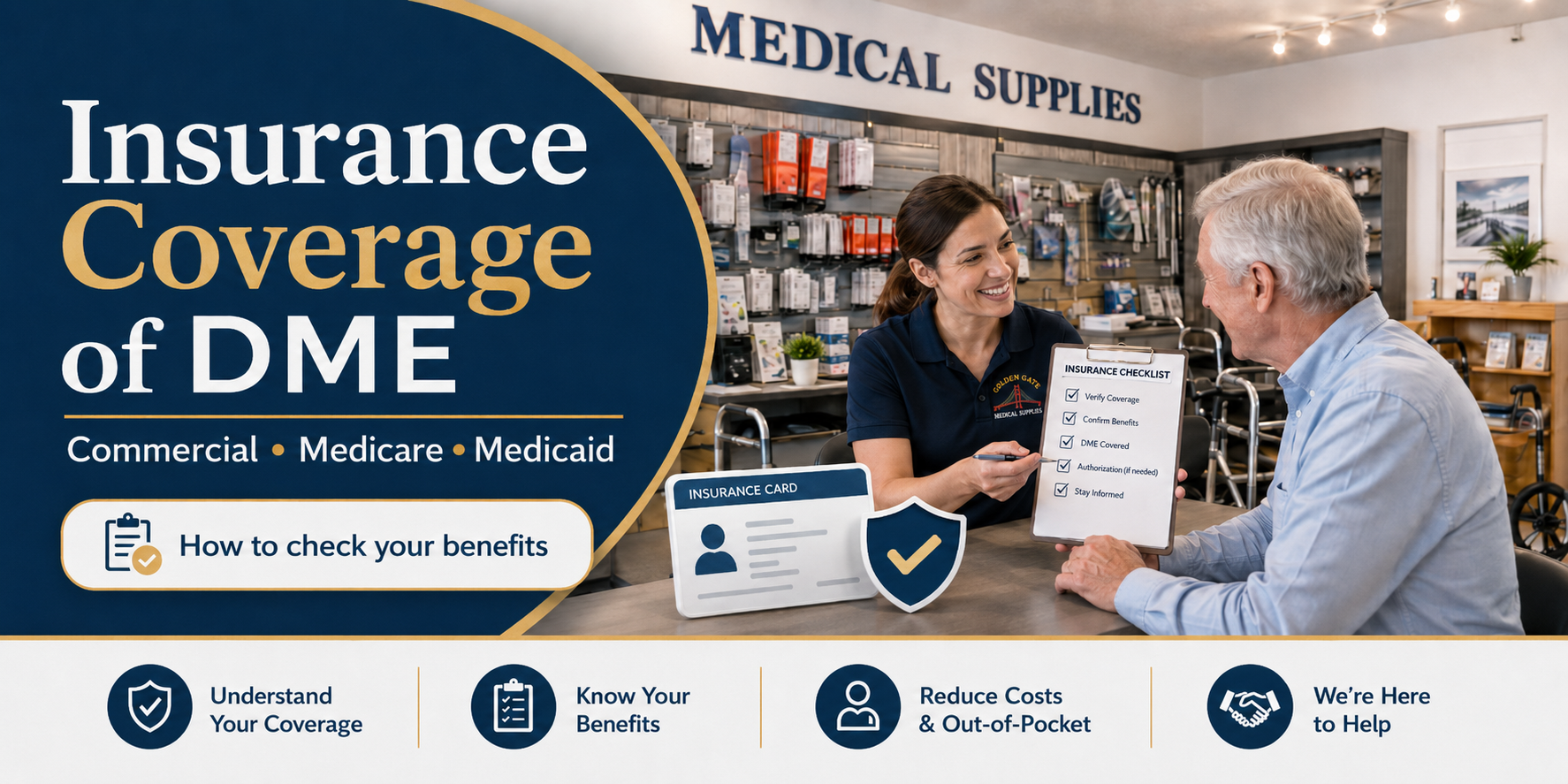
Insurance at a glance
- Original Medicare does not cover absorbent incontinence supplies like adult diapers, pull-ups, pads, or underpads.
- Medicare Advantage (Part C) may offer plan-specific extras, but access is often through allowances and approved shopping channels, not standard Part B DME billing.
- Medicaid and commercial insurance coverage varies widely by plan and may involve prior authorization, quantity limits, and in-network rules.
- Colorado’s Buy-In Medicaid can be a pathway for some working adults with disabilities who don’t qualify for standard Medicaid due to income.
- If you’re paying out of pocket, FSA/HSA may help, depending on your plan’s documentation requirements.
For the exact questions to ask your insurance plan (and what to track first), see Step 6.
Medicare: why it usually doesn’t cover absorbent supplies
It’s a common misconception that Medicare pays for adult diapers, pull-ups, pads, or underpads. Original Medicare doesn’t cover incontinence supplies or adult diapers. This is stated directly on Medicare.gov.
For some people, Medicare Advantage (Part C) plans may offer extra benefits beyond Original Medicare—but that doesn’t automatically mean a medical supply company can bill your plan for absorbent incontinence supplies the way Part B DME is billed. In many cases, if your Medicare Advantage plan offers help for these items, it’s provided through a plan-specific allowance (often called an OTC benefit or Flex card) with approved purchasing channels—like a plan partner catalog/portal or participating retail stores—rather than through standard DME claim billing. Because the rules and eligible items vary by plan, the safest step is to check your plan’s OTC catalog/portal (or call the number on the back of the member card) and ask specifically how “incontinence supplies” are obtained under your benefits (Medicare.gov coverage page).
Medicare may cover some urological supplies (different category)
Even though absorbent products generally aren’t covered, Medicare can cover certain urological supplies (like external catheters/urinary collection devices) when criteria are met for permanent urinary incontinence (See CMS guidance on urological supplies).
Medicaid and commercial insurance: coverage may exist, but it varies
For Colorado Medicaid (Health First Colorado), supplies fall under program rules and documentation requirements. The most reliable approach is:
- confirm what your specific plan covers,
- confirm whether prior authorization is required,
- and confirm whether you must use an in-network supplier.
Colorado’s DMEPOS coverage is described through Health First Colorado resources (including their DMEPOS manual). Another way to check coverage is to contact the Medical Supply company you're trying to get supplies through directly. They should also be able to check for eligibility and coverage.
“Buy-in” Medicaid may be a pathway for some people with disabilities
Some individuals who don’t qualify for standard Medicaid due to income may still qualify through Colorado’s Health First Colorado Buy-In Program for Working Adults with Disabilities. It’s designed for people who are working and have a qualifying disability (through Social Security or through Colorado’s disability determination process), and it includes a monthly premium that is based on income—the more you make, the more you pay. Colorado also notes you don’t have to already have an SSA disability determination to apply—if you don’t, the state can evaluate disability eligibility during the process.
A helpful time-saver: one of the first steps is to apply for Health First Colorado (Medicaid) in general (typically through PEAK). If you qualify for regular Medicaid, you’ll be enrolled in that program instead, which can save time because you won’t need the Buy-In pathway. If you want the full breakdown of qualifications, premiums, and application steps, the state explains it clearly here: Health First Colorado: Buy-in Medicaid.
FSA/HSA can help when you’re paying out of pocket
If you’re purchasing supplies yourself, many plans allow incontinence supplies as eligible medical expenses, though documentation requirements vary. For example, FSAFEDS lists adult incontinence supplies as eligible with appropriate documentation (often a letter of medical necessity + detailed receipt).
Curious what else may be covered by insurance?
Coverage varies by plan, but many people are surprised by what can fall under medical supplies or DME benefits.
Explore medical supply categories →
Step 6: The simplest caregiver method (less stress, fewer phone calls)
Track for 7 days (this makes every next step easier)
Write down:
- product type used (pad/pull-up/brief/underpad)
- how many per day
- when leaks happen (day vs. night)
- sizing/fit issues (gapping, sagging, shifting, tab loosening)
- any skin irritation concerns
Ask insurance these exact questions (copy/paste script)
- “Do I have coverage for incontinence supplies under DME/medical supplies?”
- “Do I need prior authorization?”
- “Are there quantity limits per month?”
- “Do I have to use an in-network supplier? If yes, who are they?”
- “What documentation is required—prescription, diagnosis code, CMN, or other form?”
Clinicians often don’t know exact daily usage because they don’t live the routine. Bringing a realistic count is normal—and helpful.
Closing: comfort comes from matching the product to real life
If you’re searching “incontinence supplies near me” in Pueblo, the most important thing isn’t picking the “best brand.” It’s matching the product type and fit to the real daily routine—then building a reliable, low-stress supply plan.
A simple path works:
- identify the leak scenario,
- choose the correct product category,
- test fit and adjust (don’t assume the first try is “the one”),
- build a monthly routine (especially for caregivers),
- verify insurance benefits once so you’re not paying out of pocket unnecessarily.
You—or the person you’re caring for—deserve comfort and dignity. With the right information, you can make confident choices that support a better day-to-day routine. If you ever need help along the way, Golden Gate Manor is here to support you—through our medical supply store, transportation services, assisted living, and even our gas station when you need to grab something quick.
References
- Medicare.gov: Incontinence Supplies & Adult Diapers (Not Covered)
- CMS MLN: Urological Supplies (Coverage Guidance)
- Health First Colorado (HCPF): DMEPOS Manual
- Health First Colorado (HCPF): Buy-In Program for Working Adults with Disabilities
- FSAFEDS: Eligible Expenses (Adult Incontinence Supplies)
- IRS: Publication 502 (Medical and Dental Expenses)