At a Glance
- Know what you’re touring: Quick Colorado context + how assisted living differs from independent living, memory support, and skilled nursing.
- Prep in 10 minutes: A simple “care snapshot” that helps tours give real answers (not vague ones).
- Ask the right questions: Care levels/fit, staffing, meds, ADLs, safety, meals, activities, and the policies that matter.
- Confirm what’s included: What’s typically bundled vs what often costs extra (and what varies by resident).
- Compare pricing fairly: How rates are built (flat vs tiered vs add-ons) + what triggers higher cost over time.
- Medicaid clarity (high level): Health First Colorado / waivers / ACF basics—what to ask so you don’t get stuck in “paperwork limbo.”
- Download + score: Printable tour scorecard, red flags, and a simple point-range guide to interpret results.
What this guide covers (and why it helps)
Touring assisted living is emotional — and it’s also a big decision with a lot of moving parts. This guide is built to help you walk into any tour (in Pueblo or anywhere) with a clear plan:
- You’ll know what questions to ask
- You’ll understand what’s typically included vs what varies
- You’ll be able to compare value and fit, not just price
- You’ll have a printable scorecard to keep tours organized
Assisted living services and rules vary by state and by facility. In Colorado, “Assisted Living Residence (ALR)” has a specific definition and licensing framework. Use this guide to ask the right questions — then confirm details in writing.
Quick context: what “assisted living” usually means in Colorado
In Colorado, an Assisted Living Residence (ALR) is licensed to provide room/board plus services like personal services, protective oversight, social care due to impaired capacity to live independently, and 24/7 supervision — but not full 24/7 medical or nursing care. (That’s one reason touring and asking about “levels of care” matters.)
Source: Colorado Department of Public Health and Environment (CDPHE) ALR definitions.
CDPHE: Assisted Living Residences
Important Medicaid note: If Medicaid (Health First Colorado) may be involved, you’ll also see the term Alternative Care Facility (ACF). In Colorado, an ACF is an Assisted Living Residence (ALR) that is Medicaid-certified to provide approved “Alternative Care” services to Medicaid members.
Sources: HCPF ACF overview and Colorado ACF rule definition.
HCPF: Alternative Care Facilities • 10 CCR 2505-10-8.7506 (ACF definition)
Assisted living vs. other options (fast comparison)
Before you fall in love with a place on a tour, it helps to make sure you’re looking at the right type of setting for the help your loved one actually needs.
If your family member is mostly independent and mainly needs a safer home base, fewer responsibilities, and some convenience, you may be closer to independent living or senior apartments. These are usually “housing + amenities” with little to no hands-on care.
Assisted living is typically the next step when day-to-day support matters—things like meals, supervision, and help with daily routines such as bathing, dressing, mobility, and medication schedules (what’s offered can vary a lot by residence).
If memory changes are a major concern—like wandering risk, frequent confusion, or safety awareness issues—ask directly about memory care or secured memory support. Not every assisted living community provides that level of dementia-focused support.
And if someone needs ongoing medical monitoring or nursing-level care, that usually points to skilled nursing (often called a nursing home), which is a different care model than assisted living.
Before you tour: a 10-minute prep that makes tours actually useful
Tours go a lot better when you show up with a simple picture of what your loved one actually needs day to day. You don’t need paperwork — just enough details so the person giving the tour can tell you what they can (and can’t) support.
Here are the few things worth jotting down before you walk in:
- Daily routines (ADLs): Where do they need help right now — bathing, dressing, toileting, getting in/out of bed or chairs, walking, eating?
- Mobility + safety: Do they use a walker or wheelchair? Have they had recent falls? Do they need help in the shower? Any oxygen or balance concerns?
- Medications: Roughly how many meds, how often, and anything complicated (timed doses, controlled meds, or PRNs “as needed”)?
- Memory or behavior needs: Any confusion, wandering risk, or moments where they get overwhelmed or agitated?
- Food needs: Diabetes/low sodium, swallowing issues, appetite changes, supplements, or anything that affects meals.
- What matters most to them: Quiet vs social, activities, time outdoors, privacy, staying connected to faith/community, and anything that helps them feel like themselves.
If you bring nothing else, bring this: What would make them feel safe, respected, and comfortable living here?
Scheduling the tour: what to ask before you arrive
Even if you’re just “starting to look,” asking a few quick questions before you schedule a tour helps you avoid visits that don’t match your needs — and it makes sure the right person is available to answer the important stuff.
- Is the tour scheduled only? (Most are — ask what days/times are available.)
- What should we bring for accurate answers? (med list, care needs list, insurance/Medicaid info)
- Who should attend? Family, POA/guardian, case manager, caregiver, and ideally the decision-maker.
- Will we see the actual living areas and common spaces? (Not just a staged room.)
- Can we meet the person who oversees resident care? (Coordinator/administrator/nurse-on-call, depending on model.)
Tour question list: the categories that actually matter
When you’re touring assisted living, it’s easy to get distracted by how nice the home looks. The fastest way to protect your decision is to ask questions in the same order every time—so you’re comparing care and fit, not just first impressions.
Below are the categories that actually change outcomes. Use them like a guided conversation: you’re not grilling anyone—you’re making sure your loved one will be safe, supported, and treated with respect.
1) Care levels and “fit”
This is the make-or-break category because everything else depends on whether the residence can meet needs today and as things change.
Ask:
- What levels of care do you offer (light support → higher support)?
- What situations usually lead you to say “we’re not the right fit”?
- Do you support memory care needs (or dementia-related support)? If yes, what does that look like day to day?
- What needs would require a transition to a higher level of care (skilled nursing, behavioral support, etc.)?
- What does your intake process look like, and what timeline should we expect?
Listen for: clear answers without dodging—and the willingness to say, “We can’t safely meet that need,” when appropriate.
2) Staffing and responsiveness (the 24/7 reality)
A place can look great on paper, but you’re really evaluating how people are supported when help is needed—especially after hours.
Ask:
- Is staff coverage 24/7 on-site? What does overnight coverage look like (awake staff)?
- What roles are on-site vs on-call (care staff, management, nurse, etc.)?
- How do residents request help (call system, check-ins, routines)?
- How do you handle a “high energy moment” in real time (fall, agitation, conflict, medical concern)?
- How do you maintain consistency (training, turnover, staffing continuity)?
Trust signal: calm, respectful interactions—especially if something unexpected happens during your visit.
3) Medication support (what “med help” actually means)
Medication support varies widely between assisted living settings, so don’t let vague wording stand in for a real process.
Ask:
- Do you administer medications, provide reminders/assistance, or both—and what’s the difference here?
- What training do medication staff have (for example, some settings use QMAP-trained medication aides)?
- How do you handle:
- controlled medications
- PRN meds (“as needed”)
- refills and pharmacy coordination
- medication changes after appointments
- How are medication errors reported and prevented?
If you’re comparing two places, this is one of the biggest “apples-to-oranges” areas—ask for a written summary.
4) ADLs: bathing, dressing, toileting, mobility
Assisted living should be specific about what help is included and what changes when care needs increase.
Ask:
- Which ADLs are included at baseline, and which trigger a higher care level / added cost?
- How do you support:
- bathing schedules and privacy
- continence care routines
- transfers (bed/chair/toilet)
- fall prevention habits (footwear, environment setup, monitoring)
- What mobility needs are you equipped for, and what do you expect the resident/family to provide?
5) Safety, emergency readiness, and the living environment
You’re not just looking for “safe”—you’re looking for a place that can explain how safety works without sounding improvised.
Ask:
- What’s your emergency response process (medical events, evacuation plans, drills)?
- How do you handle fall response and post-fall monitoring?
- What safety checks are routine (alarms, fire systems, maintenance schedules)?
- How do you protect resident dignity while keeping people safe?
Colorado licensing context (if you want to read more):
6) Meals, nutrition, and daily life
Meals are one of the most consistent parts of someone’s day—so it’s worth understanding how flexible and supportive this part of life is.
Ask:
- How many meals/snacks are provided daily?
- How do special diets work (diabetes, low sodium, texture modifications)?
- What happens if a resident misses a meal or wants an alternative?
- How are hydration and nutrition monitored?
7) Activities and social life (don’t assume this exists)
Some settings are very activity-driven, and others are much quieter. Neither is “wrong”—it just needs to match the person.
Ask:
- Do you have a planned activity calendar? How often?
- What does a typical week look like for residents who are social vs residents who prefer quiet time?
- Are outings offered? What support is available for participation?
8) Visiting, independence, and resident rights (quality-of-life questions)
This is where you learn how the residence balances safety with individuality—and whether your loved one will still feel like themselves.
Ask:
- What is your visiting policy? Are family visits flexible?
- Can residents go out with family for dinner, errands, and events?
- Are residents able to come and go (with sign-out procedures if needed)?
- How do you protect individuality and independence while keeping people safe?
9) Transportation and escorts (if needed)
Even if a facility doesn’t provide transportation, they should be able to explain options and what support looks like.
Ask:
- Do you provide transportation to appointments?
- Do you provide an escort into the clinic (if needed)?
- If you don’t provide transportation, what are the recommended options locally?
10) Communication with family
You want to know who you’ll talk to and how issues are handled when you’re not there.
Ask:
- Who is our main point of contact?
- How do care updates work (routine updates vs only when something happens)?
- How do you handle concerns and grievances?
11) Policies that affect real life (get these in writing)
The best tours are followed by paperwork—because policies are where misunderstandings happen.
Ask for copies of:
- Resident agreement / contract
- Discharge/transfer policy
- Grievance policy
- Fee schedule / rate sheet (including care level criteria)
- Medication policies (at a high level)
What’s usually included vs what often costs extra
Often included (confirm specifics)
- Room/bed/basic furnishings (varies widely)
- Meals and snacks
- Basic supervision and staff availability
- Some ADL assistance (depends on care level)
- Medication support (varies: reminders vs administration)
- Housekeeping/laundry (varies by schedule and scope)
- Wi-Fi/cable/common areas (varies)
- Basic social opportunities (varies)
Common “not included” / “may cost extra” items
- Incontinence supplies
- Personal toiletries and hygiene products
- Barber/beauty services and other personal services
- Advanced mobility equipment (wheelchair, specialized devices)
- Higher acuity mobility assistance (frequent two-person transfers, specialized lifting needs)
- Special diet add-ons (sometimes) or supplements
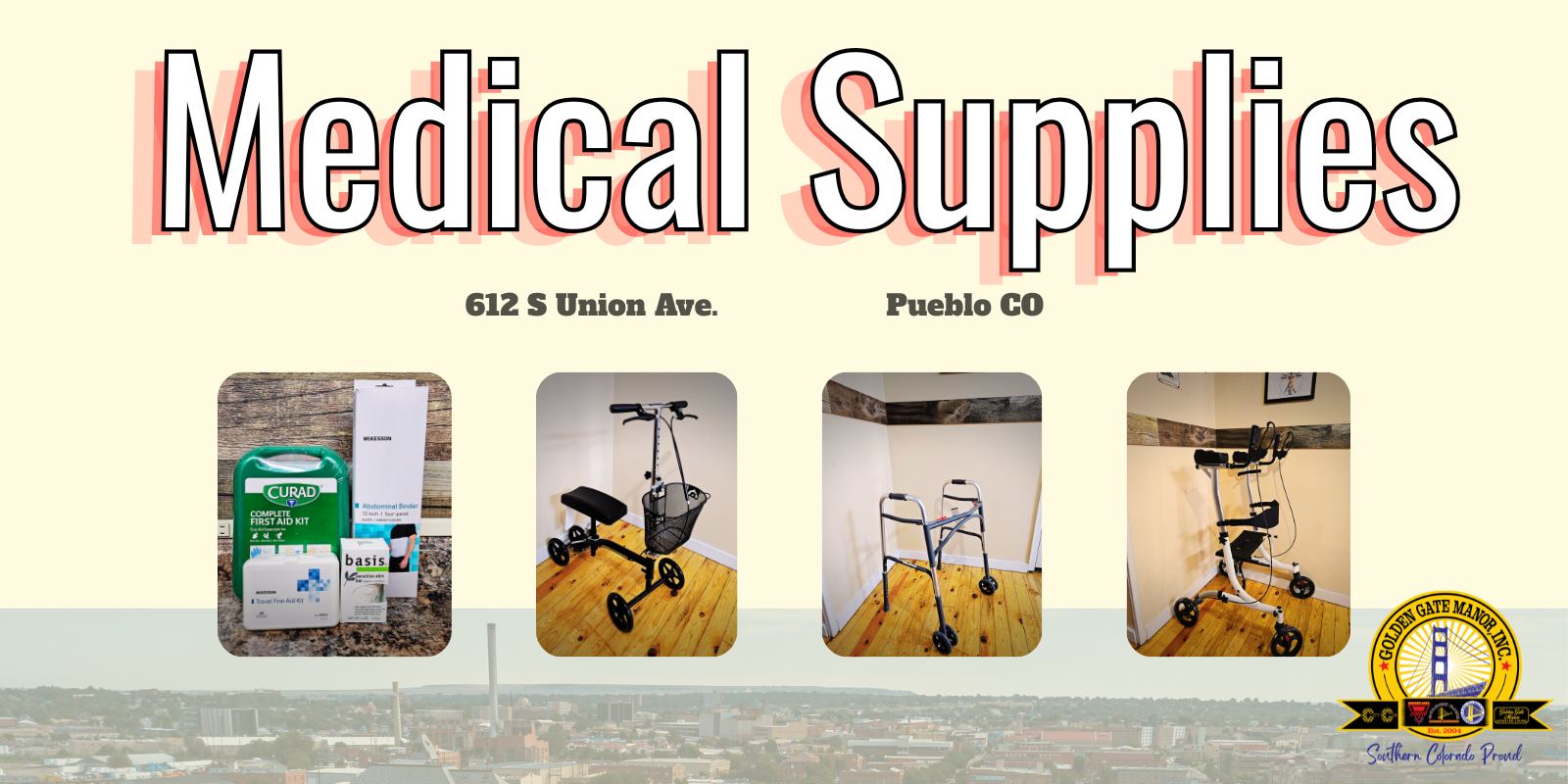
If your loved one will need supplies or equipment (like incontinence supplies or mobility equipment), ask what the facility provides vs what the resident/family supplies — and what vendors/options are allowed.
Comparing pricing without getting tricked by “apples vs oranges”
It’s completely normal to ask, “What does it cost?”—but on an assisted living tour, that question usually turns into confusion fast. Two places can quote the same monthly number and still include very different levels of support.
A better question is: “How is the rate built for someone with these needs?”
That keeps the conversation focused on real life, not marketing language.
Step 1: Find out how pricing works (in plain terms)
Most assisted living pricing falls into one of three buckets. You don’t need to memorize them—just listen for which one they’re describing:
- All-inclusive / flat rate: one monthly rate with limited changes
- Care levels (tiered): Level 1/2/3 (or similar), based on how much help is needed
- Base + add-ons (a la carte): a base housing rate, then charges added for specific services
What to ask:
“Which of those best describes your pricing—and can you show me an example of what typically changes the rate?”
Step 2: Ask what specifically changes the price
This is where “apples vs oranges” happens. Ask them to walk you through the triggers that move someone into a higher tier or add-ons.
Ask:
“What specifically moves someone from one level to the next—or adds cost?”
Common triggers include:
- how many ADLs require hands-on help (bathing, dressing, toileting, transfers)
- continence/incontinence care routines
- night-time checks or supervision
- medication complexity (timing, PRNs, controlled meds, assistance vs administration)
- transfer assistance needs (including whether two-person help is required)
- behavior support needs (safety, redirection, agitation)
Tip: Ask them to explain it using your loved one as the example:
“Based on what I described, where would they likely fall today?”
Step 3: Use the scorecard to compare like a pro (without overthinking it)
After each tour, take 3 minutes in the car and score it while it’s fresh. The goal isn’t “perfect math”—it’s making sure you’re comparing the same categories every time.
When you compare facilities, look at:
- what’s included at the level your loved one needs right now
- what changes cost if needs increase
- policies that affect quality of life (visits, leaving the home, discharge)
- your trust signals (how it felt, how staff handled questions, how residents seemed)
Scorecard guidance: what range should you look for?
The scorecard totals 45 points (9 sections × 5 points). Here’s a simple way to interpret it:
- 40–45 (Strong yes): Excellent overall fit and the place felt steady, respectful, and clear about care.
- 34–39 (Worth a serious second look): Solid option—review any weaker categories and ask follow-up questions.
- 28–33 (Proceed carefully): Some important gaps; only move forward if those gaps are addressable in writing.
- Under 28 (Usually a no): Too many concerns or unclear answers—trust your gut and keep looking.
Rule of thumb: If any “must-have” category for your loved one scores 3 or lower, treat it like a follow-up requirement before making decisions—even if the total score looks decent.
Also important: A high score doesn’t override red flags. If you checked multiple items in the Red Flags box, consider that an automatic “pause and reassess,” even if the numbers look good.
Optional Colorado cost context (private pay)
Costs vary by region and needs, but Colorado’s 2024 median for an assisted living community was $5,877/month (annual median $70,521). Use this only as a planning reference — tours and a rate sheet will tell you what applies to your situation.
Sources: Genworth/CareScout Median Cost Data Tables (2024) and Genworth Colorado press release summary
Medicaid / Health First Colorado: what to ask (high level)
If you’re touring assisted living and Medicaid might be part of the plan, it’s normal to feel like the rules are hard to pin down. A lot of the confusion comes from this simple reality:
Medicaid doesn’t usually “pay for assisted living” as one bundled monthly bill.
In Colorado, it often works more like:
- Services/care support may be covered through a waiver program, if the person qualifies and if the residence is approved to provide those services, and
- Room and board is typically treated separately, meaning the resident usually has some out-of-pocket responsibility (the exact amount depends on the program and the person’s situation).
So on a tour, your goal isn’t to become a Medicaid expert—it’s to ask the right questions so you can tell whether this residence can realistically work for your loved one.
Quick plain-language translation (so the terms make sense)
- Health First Colorado = Colorado Medicaid.
- HCBS waivers = “Home and Community-Based Services.” These are programs that can help pay for care/support services in community settings (not just nursing facilities). Some waivers can apply to assisted living-style settings.
- Alternative Care Facility (ACF) = a CDPHE-licensed Assisted Living Residence (ALR) that is also Health First Colorado (Medicaid) certified to provide Alternative Care services.
HCPF: Alternative Care Facilities • 10 CCR 2505-10-8.7506
What to ask on the tour (and why it matters)
Ask these early, because they determine whether Medicaid is even an option:
- “Do you accept Health First Colorado (Colorado Medicaid) for assisted living services?”
Translation: Have you done this before—and can you actually bill/coordinate services tied to Medicaid? - “Are you certified as an Alternative Care Facility (ACF)?”
Translation: Are you a Medicaid-certified assisted living option in Colorado? - “What costs are the resident’s responsibility?”
Translation: What does the resident pay for (often room and board), and what might Medicaid help cover (often care/services)? - “Do you work with case managers? What documentation do you need from them?”
Translation: Do you know the process, and do you coordinate like a place that handles Medicaid-related admissions regularly?
Make it easier: ask them to walk you through a “typical Medicaid move-in”
If the residence says they work with Medicaid, ask:
- “What does the timeline usually look like—from assessment to approval to move-in?”
- “Can someone move in while waiver approvals are pending, or do approvals need to be in place first?”
- “Who is the main point of contact on your side for Medicaid/case manager coordination?”
This helps you avoid a situation where everyone is “waiting on paperwork” and no one owns the next step.
Room and board: what you’re really trying to confirm
A helpful way to ask it:
- “In your Medicaid-related admissions, what does Medicaid cover versus what the resident pays?”
- “How is the resident responsibility amount determined?”
(In many cases, this is set by Medicaid/agency rules—not by the facility—so the facility should be able to explain it clearly without making up numbers.)
Colorado regulatory context (for those who want receipts):
- Colorado rules state room and board is not a benefit of ACF services, and also define what “room and board” includes in that context.
10 CCR 2505-10-8.7506 (Alternative Care Facility)
10 CCR 2505-10-8.7413 (Room and Board)
What to bring up (so the answers are accurate)
You don’t need a full packet, but it helps to know:
- whether your loved one already has Medicaid (Health First Colorado)
- whether they already have a waiver/case manager, or they’re still in the application stage
- basic care needs (ADLs, meds, mobility, memory/behavior concerns)
If you do have a case manager, ask the residence:
- “Do you want us to have our case manager send anything to you before the tour?”
- “What do you need from the doctor’s office or assessment to confirm level-of-care fit?”
Colorado starting points (plain-language references)
- EBD Waiver overview (includes Alternative Care Facilities as a benefit category):
HCPF: Elderly, Blind, and Disabled (EBD) Waiver - HCBS waivers overview (waitlists/rules can apply):
HCPF: HCBS Waivers
Because waiver eligibility, waitlists, and approvals can change, it’s smart to confirm the current status with the resident’s case manager (or the HCPF pathway) while you’re touring—so you’re not making decisions based on assumptions.
Trust signals and red flags (what families should notice)
Trust signals (“green flags”)
- Residents appear clean, comfortable, and respected
- Staff address residents by name and speak respectfully
- The environment feels calm and organized, even during busy moments
- The facility can clearly explain care levels, medication process, and emergency routines
- You can imagine living there yourself — the “gut comfort” is real data
Red flags (don’t ignore these)
- Strong odors or consistently messy/common areas
- Chaotic environment with no clear leadership in the moment
- Residents appear unhappy, ignored, or afraid to ask for help
- Staff temperament feels sharp, dismissive, or rushed in a concerning way
- Residents seem to avoid common spaces or “don’t like to stay”
- Tour feels staged and avoids showing real daily living areas
Printable Assisted Living Tour Scorecard (bring this on every tour)
Instead of trying to remember everything you saw on a tour, use the scorecard to keep each visit consistent and easy to compare.
Scorecard guidance: what range should you look for?
The scorecard totals 45 points (9 sections × 5 points). Here’s a simple way to interpret it:
- 40–45 (Strong yes): Excellent overall fit and the place felt steady, respectful, and clear about care.
- 34–39 (Worth a serious second look): Solid option—review any weaker categories and ask follow-up questions.
- 28–33 (Proceed carefully): Some important gaps; only move forward if those gaps are addressable in writing.
- Under 28 (Usually a no): Too many concerns or unclear answers—trust your gut and keep looking.
Rule of thumb: If any “must-have” category for your loved one scores 3 or lower, treat it like a follow-up requirement before making decisions—even if the total score looks decent.
Also important: A high score doesn’t override red flags. If you checked multiple items in the Red Flags box, consider that an automatic “pause and reassess,” even if the numbers look good.
What to do after the tour (simple next steps)
- Review your notes the same day (while details are fresh).
- Request anything you didn’t receive in writing (policies, fee sheet, care level criteria).
- Compare two or three places using the scorecard — then shortlist based on fit + trust, not just price.
- If your loved one has changing needs, prioritize places that can clearly explain how care levels adjust over time.
If you’re touring assisted living in Pueblo and want to talk with us
If you’d like to schedule a tour with Golden Gate Manor’s assisted living homes in Pueblo, you can start here:
- Assisted Living page
- Golden Gate Manor Contact page
- Call: (719) 924-9932 (ask to schedule with the Residential Care Coordinator)
References
- CDPHE: Assisted Living Residences (definitions + regulations hub)
- Colorado SOS CCR: 6 CCR 1011-1 Chapter 07 — Assisted Living Residences (official regulations)
- HCPF: Elderly, Blind, and Disabled (EBD) Waiver
- HCPF: HCBS Waivers (overview)
- HCPF: Alternative Care Facilities (ACF) (overview)
- Colorado SOS CCR: 10 CCR 2505-10 8.7000 — Home and Community Based Services (official rules; includes ACF + room/board sections)
- 10 CCR 2505-10-8.7506 (Alternative Care Facility) — quick section view
- 10 CCR 2505-10-8.7413 (Room and Board) — quick section view
- Genworth/CareScout: Cost of Care Survey 2024 — State Median Data Tables (PDF; Report 282102)
- Genworth/CareScout: Cost of Care Survey 2024 press release (methodology + national context)