At a Glance
- Know the difference: Ambulances provide medical care in transit; NEMT is a ride service for non-emergency appointments.
- When to call 911: If you think it’s an emergency—or you’re unsure—call 911 first and let professionals advise you.
- What NEMT is for: Routine medical visits like PT, dialysis, chemo, follow-ups, labs/imaging, and specialist appointments.
- Coverage reality in Pueblo: Medicaid often includes NEMT for covered care; Medicare coverage is usually limited to ambulance rules, while some Medicare Advantage plans offer ride benefits.
- If you need a Medicaid ride: What to have ready, how scheduling works, and how to request accessibility accommodations.
- If you don’t have ride benefits: Local alternatives like ADA paratransit, public transit, private-pay rides, and plan-based transportation benefits to check.
This post is general information—not medical advice. If you’re unsure whether your situation is an emergency or what level of care you need, call 911 or contact a nurse advice line (your clinic or insurance plan can usually connect you).
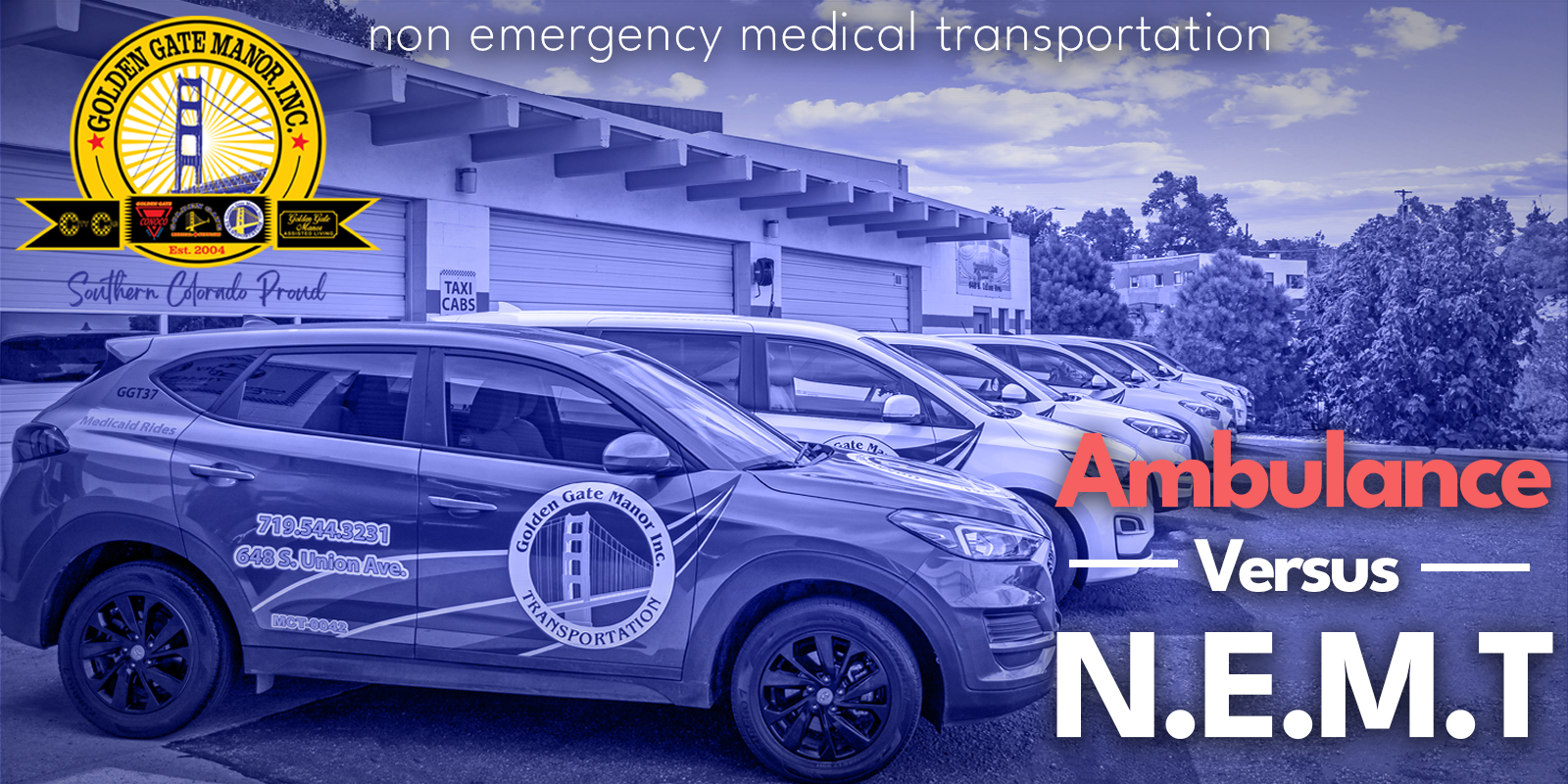
Ambulance vs. NEMT in Pueblo: the practical difference
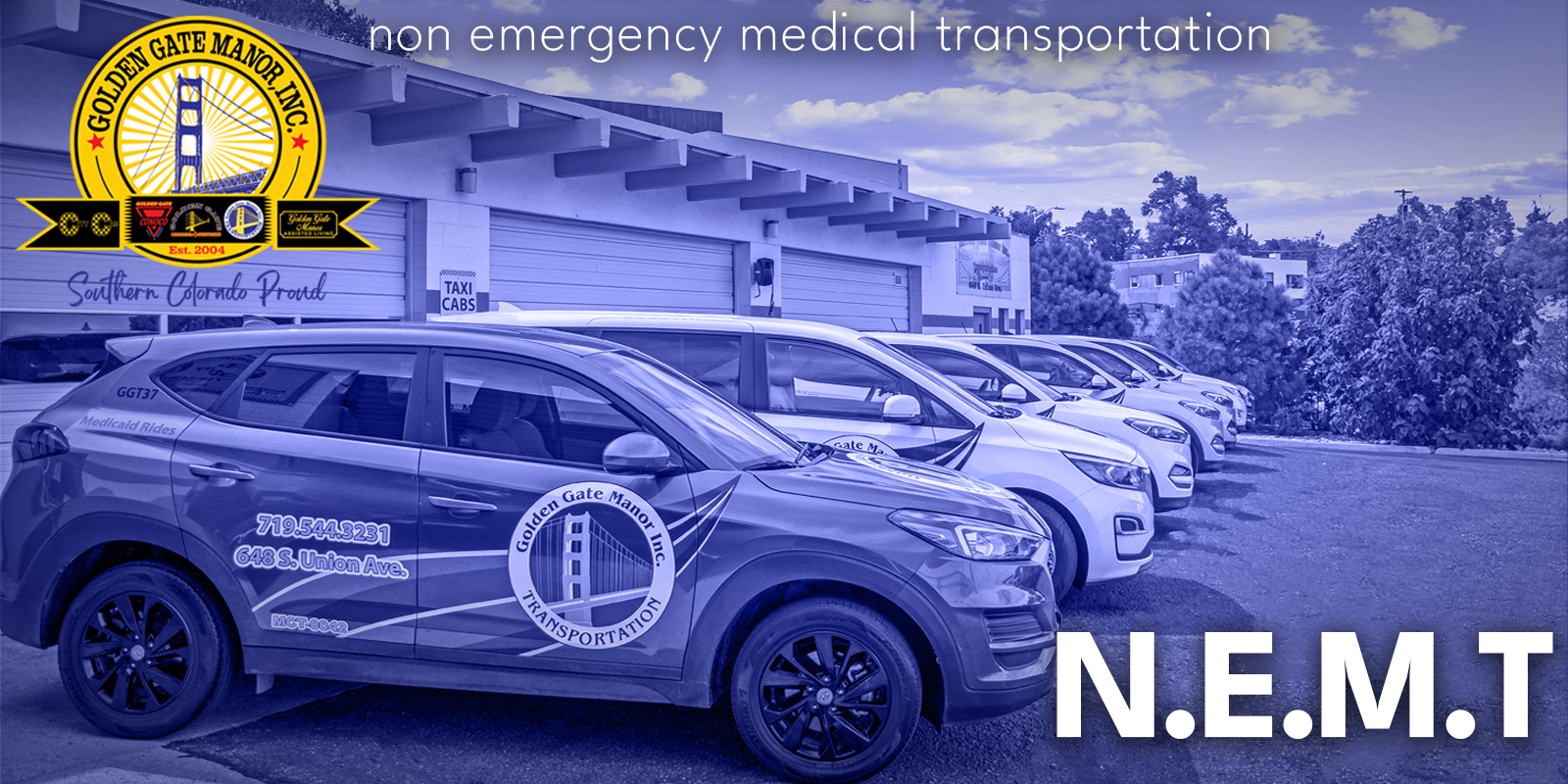
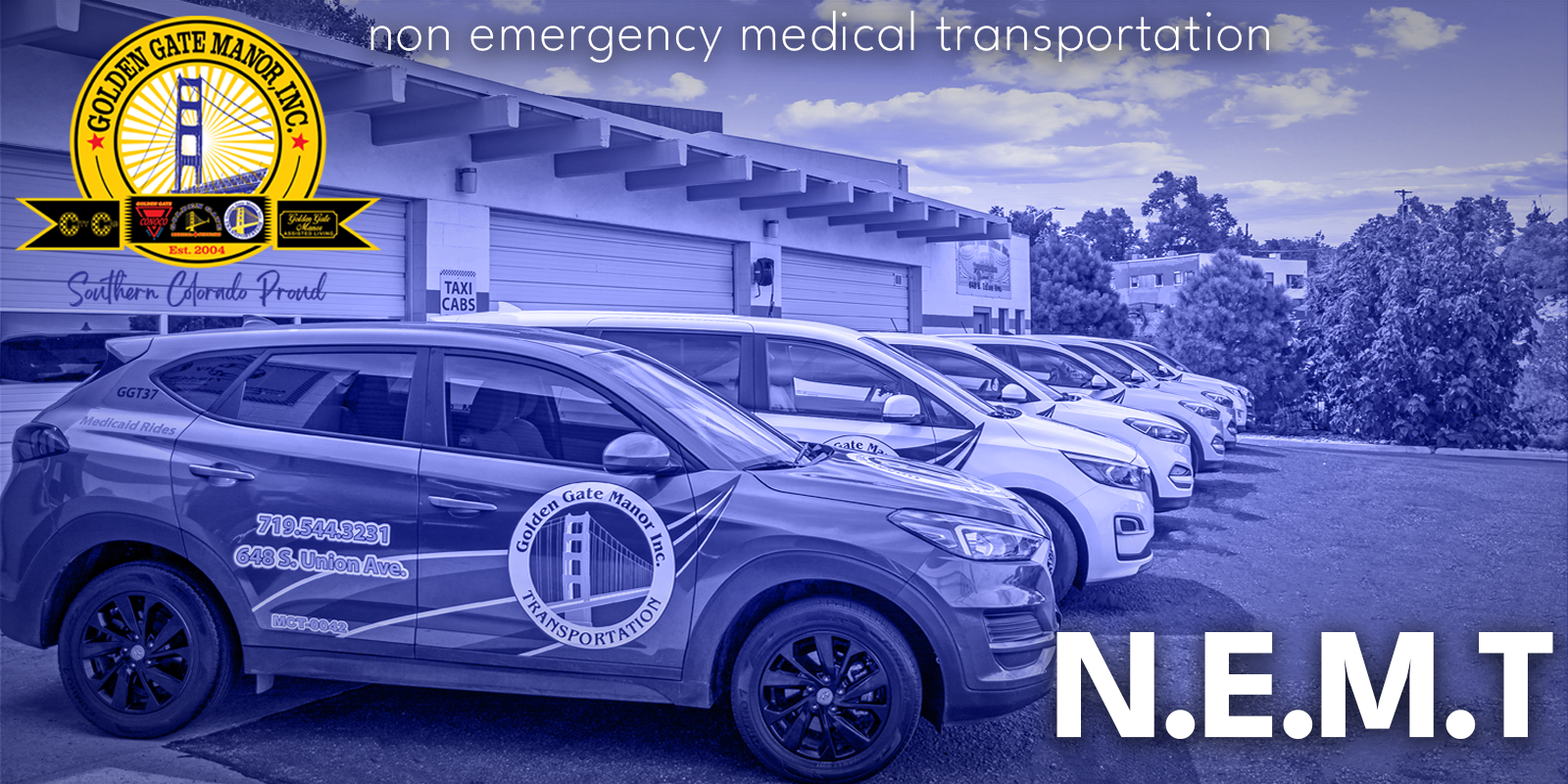
A lot of transportation confusion comes from one simple question: “Do I need medical care while I’m being transported?” An ambulance is designed for medical emergencies and situations where a person needs clinical monitoring or skilled care during the trip (or where traveling any other way could be unsafe), while NEMT (non-emergent medical transportation) is meant for non-emergency medical rides to covered appointments when you don’t have another way to get there.
If you’re searching “non emergency medical transportation Pueblo CO,” this article is meant to help you make the right service choice first—so you get care quickly when it’s urgent, and you don’t get stuck trying to book something that isn’t built for emergencies.
When an ambulance is the right call (and when it isn’t)
If there’s any chance you’re dealing with a true emergency, the safest move is to call 911 and let professionals guide the next step. Medicare’s own ambulance guidance gives examples of emergencies where coverage may apply—situations like severe bleeding, shock/unconsciousness, or needing skilled treatment during transport—which is a helpful reminder of the seriousness threshold we’re talking about. (See: Medicare Coverage of Ambulance Services (PDF) and Medicare ambulance services coverage.)
At the same time, an ambulance is not a general ride service. Even “non-emergency ambulance” coverage is typically limited and is usually tied to strict medical necessity standards—meaning it’s generally for cases where a person can’t be transported safely by other means, even if it’s scheduled. If you want the details straight from Medicare and CMS, see CMS Ambulance Services guidance.
NEMT is not emergency response. If a driver arrives and it appears you may be having a medical emergency, the trip may be paused and 911 may be called so you can get evaluated and transported safely. In those situations, an NEMT ride typically won’t proceed as scheduled—your safety comes first.
What NEMT is used for (and what it won’t do)
NEMT exists for the “I need to get to care, but it’s not an emergency” reality. Think: PT, dialysis, chemo/infusion visits, follow-ups, labs/imaging, primary care, and specialist appointments. In Southern Colorado, it can also include longer trips for specialty care—sometimes outside Pueblo and even toward Denver—depending on what’s medically necessary and what’s approved.
What NEMT is not: it’s not emergency response, and it doesn’t replace medical decision-making. It’s transportation support so people can actually access healthcare services without missing appointments due to lack of a ride. Colorado describes NEMT as a Health First Colorado (Medicaid) benefit for members who don’t have transportation to medical appointments, and it’s explicitly not for emergencies (see: Health First Colorado NEMT and Colorado HCPF NEMT overview).
Coverage reality in Pueblo: Medicaid, Medicare, and “why nobody will take my insurance”
This is the part that frustrates people the most, and it’s worth saying plainly: transportation benefits are not consistent across insurance types.
If you have Health First Colorado (Colorado Medicaid), NEMT may be available for covered services if you don’t have another way to get there (Health First Colorado NEMT). If you have Original Medicare, routine rides to doctor visits generally aren’t a standard benefit the way Medicaid NEMT is—Medicare’s transportation coverage discussions are usually centered on ambulance rules and medical necessity (Medicare ambulance services coverage and CMS Ambulance Services guidance).
If you have Medicare Advantage (Part C), some plans offer a non-emergency transportation benefit as an extra, but the number of trips and the rules vary by plan. Two examples you can look at (just to see how different these benefits can be) are UnitedHealthcare Medicare Advantage transportation benefits and Denver Health Medical Plan “Elevate” transportation benefits.
If you have Health First Colorado (Medicaid): where we fit (and how to book with us)
If you’re in Pueblo and you have active Health First Colorado (Medicaid), Golden Gate Manor Transportation provides non-emergency Medicaid transportation. The easiest way to start is to call our scheduling line at (719) 544-3231. If you’re reaching out after hours, dispatch can be reached at (719) 543-2525.
We keep this part straightforward because people often assume NEMT works like urgent care or an on-demand ride. It doesn’t. NEMT is a scheduled service, and same-day availability can be limited—so booking ahead is the safest way to protect your appointment time.
If you want to read our NEMT overview first, start here: Non-Emergency Medical Transportation (NEMT) in Southern Colorado. If you’re ready to start the process online, you can submit a request here: Schedule a ride online (but note that online requests typically still need a confirmation call so nothing gets missed).
Check a few of our other posts about Medicaid/NEMT services in Pueblo
NEMT in Pueblo, CO
How non-emergency medical rides work locally.
NEMT Business Guide
How NEMT companies operate and serve patients.
Medicaid Services Intro
Understanding Medicaid rides and community care.
What to have ready before you call (so scheduling is faster)
A smooth booking call usually comes down to having the basics ready. This list is short on purpose—these are the details that prevent delays, wrong pickup locations, and last-minute scrambling.
Have this information in front of you:
- Your full name and a good callback number.
- Your pickup address (and any “hard to find” details like building entrances).
- Appointment address, date, and check-in time.
- Your provider/clinic name and what kind of appointment it is (PT, dialysis, chemo, specialist, etc.).
- Any mobility needs (walker, wheelchair, transfer assistance) and whether you need a wheelchair-accessible van.
- Whether a companion will ride with you (and if the rider is a minor, whether a parent/guardian is accompanying them).
- Anything you carry that affects travel (oxygen equipment, medical bag, service animal, etc.), so the right vehicle can be assigned.
If you need accessibility accommodations, it helps to say so early. This is also where having a condition card or a medical instruction card in your wallet can be helpful—bring it, and tell scheduling what your support needs are.
A quick, realistic note about timing (why same-day is hard)
One of the biggest misunderstandings we see is people trying to book NEMT at the last minute and expecting it to work like an emergency transport service. NEMT is designed to help people access care consistently—but it still has to be scheduled, routed, and assigned based on vehicle availability and trip timing.
If you can schedule 24 hours ahead (or more), do it. If you need a last-minute ride, call anyway—sometimes it’s possible—but it will always depend on availability.
If you don’t have Medicaid ride coverage: practical alternatives in Pueblo
This is the hard reality you mentioned, and it’s real: many people who need transportation (including people on Medicare) don’t automatically have a ride benefit. If you’re in that situation, here are options that can still help without calling 911.
One option many people don’t know about is ADA paratransit. In Pueblo, the City’s complementary ADA service is called Citi-Lift, designed for people who can’t use fixed-route buses because of a disability (see: Pueblo Transit Citi-Lift (ADA Services)). If you’re able to use fixed routes, Pueblo Transit can also be part of a longer-term plan for recurring appointments.
Other “real life” options that sometimes solve the problem:
- Check your plan if you have Medicare Advantage: some plans include transportation benefits, but you have to activate and schedule through their process (UHC example; Denver Health plan example).
- Ask the clinic or facility if they have a transportation partner, shuttle days, or social-work resources for rides.
- Private-pay transportation when coverage isn’t available. If you need an out-of-pocket ride locally, you can also look at Pueblo City Cab options (including online booking): City Cab Online Booking.
- Family/caregiver planning for recurring appointments: sometimes the best fix is building a “repeatable ride plan” for dialysis/therapy schedules so you’re not solving the same crisis every week.
A short caregiver call script (copy/paste friendly)
If you’re calling on behalf of a loved one, this script keeps the conversation organized and reduces back-and-forth. It also makes it easier to request accessibility needs up front.
Use something like:
- “Hi, I’m calling to schedule non-emergency medical transportation for a medical appointment.”
- “The rider’s name is ____. Pickup is at ____. The appointment is at ____ on ____ at ____.”
- “The appointment type is ____ (PT/dialysis/chemo/specialist).”
- “They use ____ (wheelchair/walker/cane) and will need ____ (wheelchair-accessible van/extra time/companion rider).”
- “My callback number is ____. What do you need from us to confirm the ride?”
If you’re unsure about eligibility or what’s covered, add: “Can you tell me what information you need to verify coverage, and what the next step is if transportation isn’t covered under their plan?”
The simplest decision rule (and the next step)
If you think you need medical care during transport or you’re genuinely unsure whether your situation is an emergency, call 911 first and let professionals advise you. If your situation is not an emergency and your goal is getting to a scheduled appointment safely and reliably, that’s when NEMT (or other non-emergency options like ADA paratransit or plan-based benefits) becomes the right path.
If you have Health First Colorado (Medicaid) and you’re trying to book a non-emergency ride in Pueblo, start with our NEMT page: Non-Emergency Medical Transportation (NEMT). When you’re ready, call (719) 544-3231 to schedule, or submit your request here: Schedule a ride online.
References
- Health First Colorado — Get a ride (NEMT)
- Colorado HCPF — Non-Emergent Medical Transportation (NEMT)
- Medicare.gov — Ambulance services coverage
- CMS — Ambulance Services (Medicare guidance)
- City of Pueblo — Citi-Lift Program (ADA Services)
- UnitedHealthcare — Medicare Advantage transportation benefits
- Denver Health Medical Plan — Elevate Medicare Advantage transportation benefits